

Sauna Installation for Resorts: Boost Summer Wellness Offerings
Sauna Installation for Resorts: Boost Summer Wellness Offerings
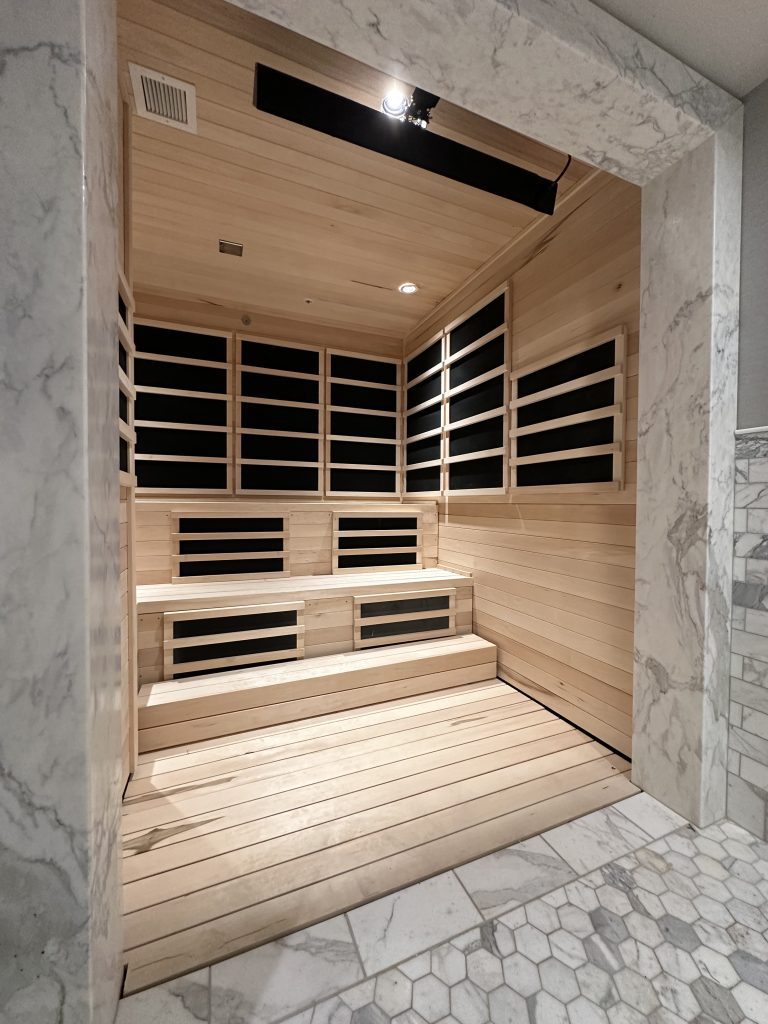
In exploring the distinctions between steam saunas and dry saunas, it is essential to reflect on how each modality impacts both physiological and psychological well-being. Steam saunas, characterized by their humid environment, facilitate deep skin cleansing and can aid in alleviating respiratory ailments. Conversely, dry saunas, known for their low humidity levels, tend to promote more intense sweating and may offer superior detoxification benefits. As we assess these differences, one must ponder which sauna type not only aligns with their health goals but also fits their personal comfort preferences, a decision that could greatly influence their overall wellness journey.
Steam saunas, also known as steam rooms, offer a rejuvenating experience characterized by high humidity and moist heat. Among the notable steam sauna features are their ability to open up airways, boost circulation, and encourage deep skin cleansing. The benefits extend to relaxation and stress relief, providing an ideal environment for both physical and mental recovery. These attributes make steam saunas a popular choice for wellness enthusiasts.
Dry saunas, also referred to as traditional saunas, harness the power of dry heat to offer a different type of therapeutic experience. Utilizing various dry sauna materials such as wood, these structures are designed to efficiently retain heat. Dry sauna designs can range from compact, home-friendly units to larger, communal spaces, each crafted to maximize the dry heat’s benefits without the presence of steam.
Exploring the diverse heat sources used in saunas reveals significant differences in their setup and functionality. Dry saunas typically use electric heaters or wood-burning stoves, focusing on high heat retention to warm the air around users. Steam saunas, however, utilize steam generators, enhancing user experience with moist heat that envelops the body, offering a distinct sensation compared to the dry heat of traditional saunas.
While the choice of heat source in saunas particularly influences their physical design and operational mechanics, it also impacts the health benefits they offer. Steam saunas excel in enhancing detoxification effects due to increased perspiration. Conversely, dry saunas may offer superior skin benefits by promoting cleaner pores and potentially reducing acne, through lower humidity which limits bacterial growth. Both types provide significant health advantages.
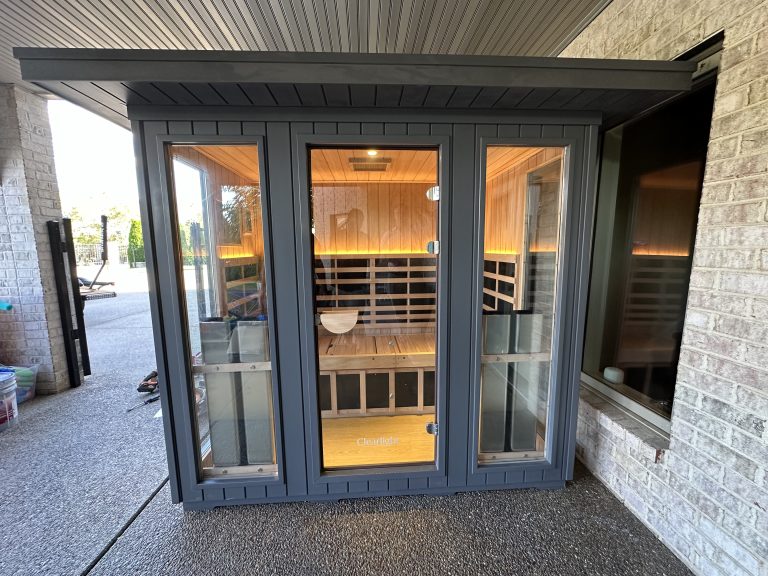
How should one approach the maintenance and care of steam and dry saunas? Regular cleaning techniques are essential for both, using non-abrasive cleaners to preserve surfaces. Steam saunas require frequent checks for mold due to higher humidity levels. Implementing longevity tips, such as ensuring proper ventilation and periodic inspections of heating elements, will help maintain their condition and safety, enhancing user experience and sauna lifespan.
For individuals or businesses interested in installing a steam or dry sauna in the Nashville area, TN Sauna Installation offers extensive services tailored to your needs. Specializing in both sauna installation and sauna design, they cater to clients in Nashville, Brentwood, Franklin, and Spring Hill. Their expert team will guide you from concept to completion, ensuring a seamless integration of your new sauna into your home or facility.
Sauna Installation for Resorts: Boost Summer Wellness Offerings

Designing a Commercial Sauna: What Business Owners Should Know

How a Custom Sauna Can Elevate Your Business’s Client Experience

Why More Homeowners Are Adding Saunas in 2025
Installing a sauna in a small apartment is feasible, focusing on space considerations and available installation options. Compact models and strategic placement can effectively utilize limited space, ensuring a practical and enjoyable addition to your home.
Saunas evoke a sense of warmth and relaxation, but when considering sauna safety, caution is advised for children and pregnant women. Consult healthcare providers to understand potential risks and guarantee benefits align with health guidelines.
A typical sauna installation timeline varies by sauna type, but generally, it takes 1 to 3 days. TN Sauna Installation guarantees efficient service in Nashville and surrounding areas, prioritizing quality and customer satisfaction.
Saunas can enhance home resale value by offering wellness benefits and appealing features to potential buyers. Regular sauna maintenance guarantees peak functionality, further boosting property appeal and market value in competitive real estate environments.
The energy costs of running a sauna depend on its size, usage frequency, and energy efficiency. Operating expenses can vary greatly, influenced by the type of heater used and the local cost of electricity.
©2026. TN Sauna Installation. All Rights Reserved.