

Outdoor Home Saunas: Design Ideas for Backyard & Patio
Outdoor Home Saunas: Design Ideas for Backyard & Patio

As the allure of rejuvenating spring mornings approaches, many homeowners are considering the installation of a sauna, necessitating a thorough preparation of their existing electrical systems. It is vital to first evaluate your home’s current electrical capacity to guarantee it can accommodate the additional load of a sauna. This involves verifying the adequacy of your circuit breaker, the compatibility of existing wiring, and the necessity of installing a Ground Fault Circuit Interrupter (GFCI) for safety in moisture-prone environments. However, the complexity of these tasks raises an important question: Are all electrical systems readily equipped to handle such upgrades, or are there hidden challenges that might surface during the process?
Why is it important to assess your current electrical setup before installing a sauna? Evaluating amperage guarantees your system can handle the sauna’s power demand. Checking outlets confirms compatibility and safety. This preliminary step prevents system overloads and electrical hazards, securing a smooth installation process while maintaining the integrity of your home’s electrical infrastructure, essential for operating your new sauna efficiently and safely.
After evaluating your home’s electrical capacity, the next step in preparing for sauna installation involves understanding the specific power requirements of the sauna model you plan to install. Accurate electrical load calculations are essential to determine the sauna energy consumption, guaranteeing compatibility with your existing system. This assessment helps avoid overloaded circuits and guarantees the efficient operation of your new sauna.
Selecting the appropriate circuit breaker is a critical step in ensuring the safety and efficiency of your new sauna. It is crucial to match the breaker to your sauna’s circuit specifications. Different breaker types, such as single-pole or double-pole, must be chosen based on the specific power requirements and load capacity. Proper selection prevents electrical overload, enhancing both performance and safety.
For sauna installations, choosing the correct wiring type is as essential as selecting the right circuit breaker. Adhering to wiring regulations and installation standards guarantees safety and efficiency. Consider these factors:
Wire Gauge: Select the correct gauge based on power requirements and distance.

When installing a sauna, it is vital to integrate a Ground Fault Circuit Interrupter (GFCI) to protect against electrical hazards. Proper GFCI placement near moisture sources enhances safety. Regular GFCI testing, essential for maintaining effectiveness, guarantees the system remains responsive to any fault, instantly cutting off power to prevent accidental electrocution. Always verify GFCI functionality before sauna use to safeguard all users.
Adequate ventilation is essential in sauna design to guarantee proper air circulation and heat distribution. Considering ventilation types is key:
Adjustable Vents: Offer control over airflow, enhancing user experience by allowing manual adjustments to the ventilation rate.
Having addressed the importance of proper ventilation in sauna design, it is equally important to focus on the electrical aspects of installation. Ascertaining you hire a qualified electrical contractor is critical. Look for certified professionals with experience in sauna setups. Assess their contractor qualifications thoroughly and discuss project timelines to ascertain your sauna is ready without delays. Proper planning with skilled contractors guarantees a successful installation.
Once you have confirmed the qualifications of your electrical contractor, the next step is to reach out to your sauna installer, TN Sauna Installation.
For a successful setup, consider:
Proper planning enhances both safety and enjoyment.
Outdoor Home Saunas: Design Ideas for Backyard & Patio

Portable Infrared Sauna: Pros, Cons, and Top Models
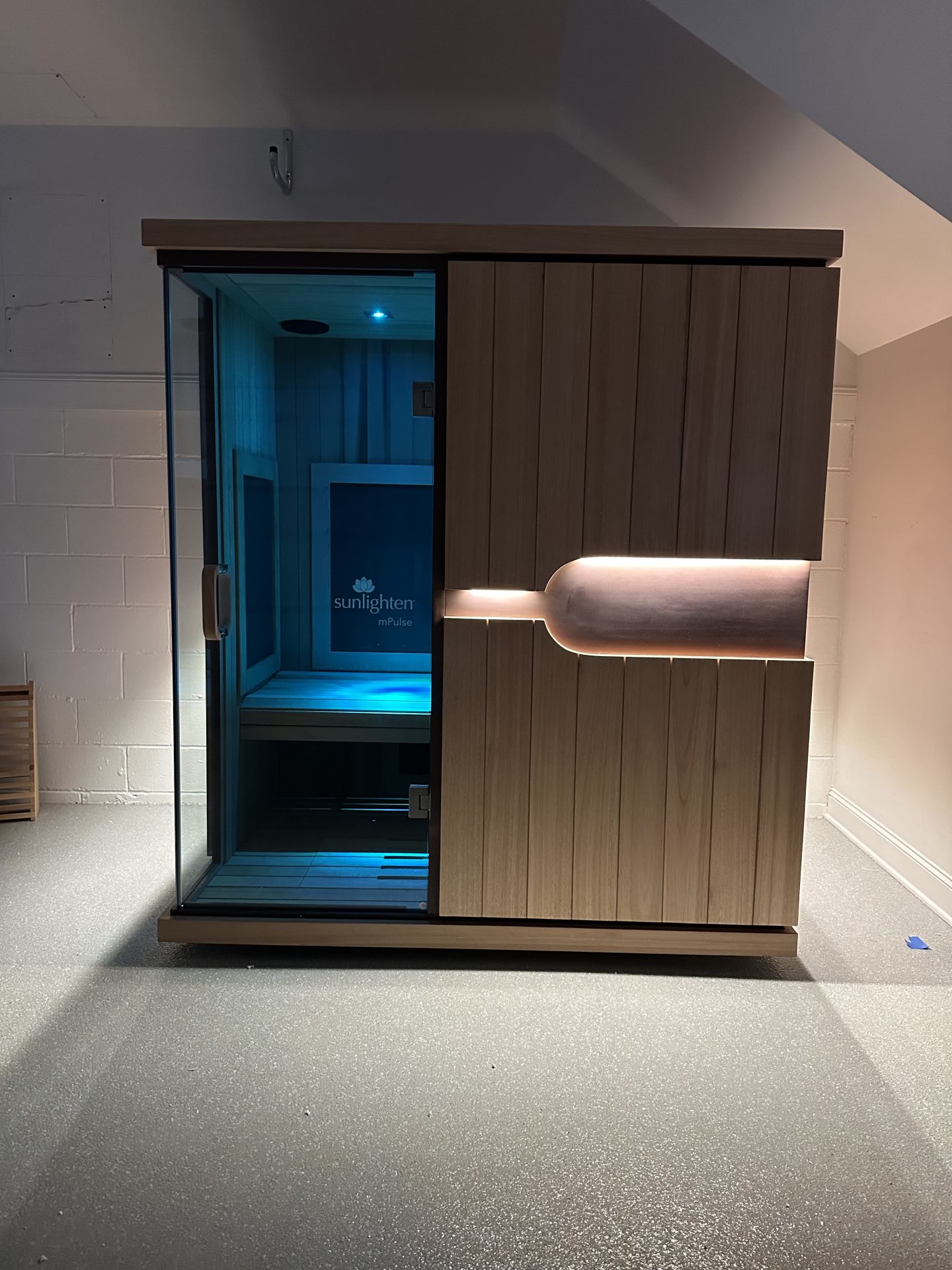
How to Install a Smart (Wi-Fi Enabled) Sauna at Home

Sauna Builders in Nashville: What Sets the Pros Apart
©2026. TN Sauna Installation. All Rights Reserved.