
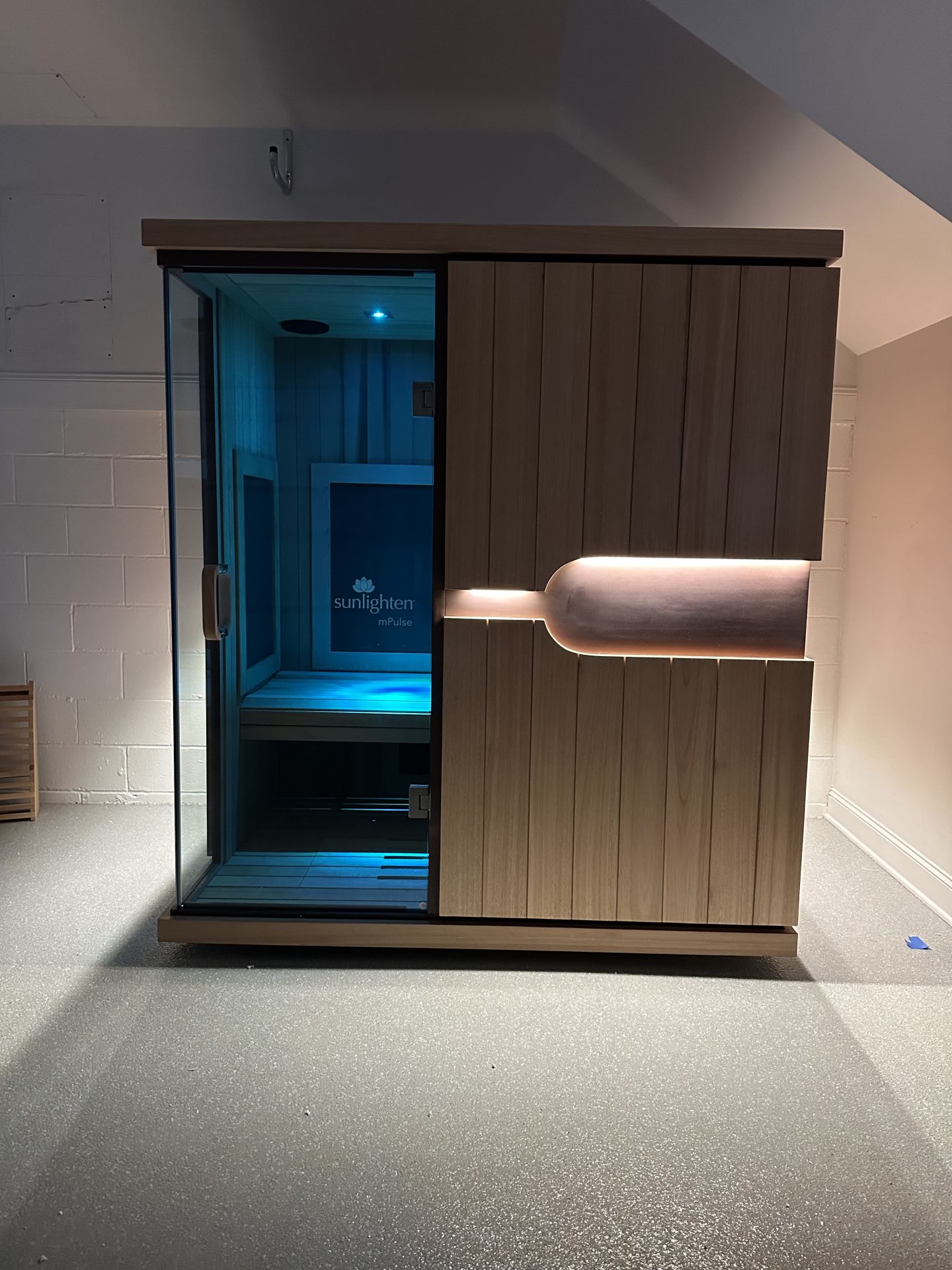
Designing Your Home Sauna: Choosing the Ideal Location
Designing Your Home Sauna: Choosing the Ideal Location
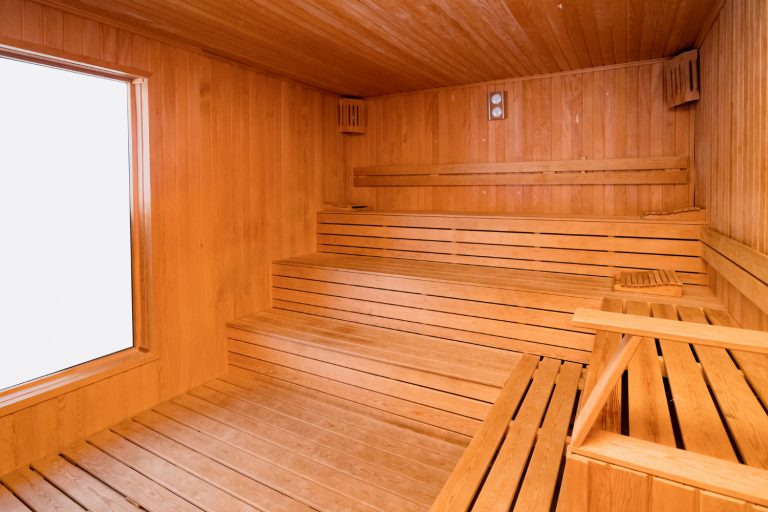
When considering the installation of a sauna, it is imperative to approach the electrical setup with a keen eye on safety and strict adherence to regulatory standards. The integration of a sauna into a home or commercial space not only requires a thorough understanding of its power demands but also necessitates meticulous planning regarding circuitry and the correct implementation of Ground Fault Circuit Interrupter (GFCI) devices. These steps are essential in preventing hazards such as electrical shocks or fires. Additionally, engaging with the nuances of local building codes can often present challenges that might not be immediately apparent. As we explore these key aspects, one must consider whether to undertake such a project alone or seek professional expertise.
Understanding the electrical requirements for sauna installation is crucial for both safety and functionality. Properly evaluating sauna power requirements guarantees efficient operation without overloading circuits. Saunas vary in their energy needs; consequently, considering sauna energy efficiency can lead to significant savings and maximum performance. Accurate electrical planning prevents hazards and enhances the longevity and reliability of the installation.
Once the electrical needs for your sauna have been thoroughly assessed, the next step is selecting the ideal location for installation. Consider ventilation considerations to guarantee proper airflow and heat distribution. Proximity factors are also essential; choose a spot away from water sources and high-traffic areas to enhance safety and maximize the effectiveness of your sauna’s performance.
Adhering to local electrical code requirements is critical for the safe installation and operation of your sauna. Guarantee to meet all permit requirements and compliance standards set by local authorities. These regulations are designed to prevent hazards and guarantee all electrical components are up to standard. Non-compliance can result in penalties and compromise safety, underlining the importance of following these guidelines meticulously.
After guaranteeing compliance with local electrical code requirements, the next step in sauna installation involves properly setting up the wiring and circuitry. It’s essential to select the appropriate wiring types that can handle the circuit load of a sauna. Overlooking this can lead to electrical failures and safety hazards. Always verify the wiring supports the sauna’s power requirements and operational efficiency.

Why is GFCI protection essential for sauna safety? Ground Fault Circuit Interrupter (GFCI) installation is critical in preventing electrical shock. In moist environments like saunas, GFCI benefits include detecting and interrupting electrical imbalances, and swiftly cutting power to reduce risk. Proper GFCI installation guarantees enhanced safety by guarding against potential electrical hazards, making it an indispensable feature in sauna electrical setups.
When considering the installation of electrical components for a sauna, homeowners often face the choice between professional services and a DIY approach. A cost comparison shows that DIY might seem less expensive initially, but professional installation guarantees compliance and safety, often completing the job quicker. The installation timeline for professionals is typically shorter, minimizing disruption and potential errors compared to the extended timelines DIY might incur.
Regular maintenance and thorough safety checks are essential for guaranteeing the long-term functionality and safety of your sauna’s electrical systems.
After highlighting the importance of maintenance and safety checks for your sauna’s electrical systems, it is equally important to select a reliable service provider for the installation. Choosing TN Sauna Installation guarantees expertise in mitigating electrical hazards while maximizing sauna benefits. Serving Nashville, Brentwood, Franklin, and Spring Hill, TN, they prioritize safety and customer satisfaction in their professional installation services.
Designing Your Home Sauna: Choosing the Ideal Location

7 Key Steps Before Hiring an Infrared Sauna Installer

Avoid These Common Mistakes When Choosing a Sauna Installer

Sauna Door Installation: A Secure and Stylish Entry
Installing a sauna on a carpeted floor is not advisable due to carpet safety and flooring requirements. Carpets can retain moisture and pose a fire hazard, thereby compromising the overall safety of the installation.
Humidity weaves through sauna spaces, potentially ushering in electrical corrosion. It's vital to guarantee components are safeguarded against moisture's pervasive reach to maintain safety and functionality in these high-humidity environments.
Solar power options for sauna installation are increasingly viable due to advancements in solar panel efficiency and battery storage technology, enabling reliable energy supply even in locations with variable sunlight exposure.
Much like a well-orchestrated symphony, the lifespan of sauna electrical components typically ranges between 5 to 10 years, contingent on regular sauna maintenance and timely electrical upgrades to enhance performance and safety.
Using extension cords for temporary power in sauna setups is not recommended. Prioritizing sauna safety, it's crucial to guarantee all electrical connections are permanent and adhere to local electrical codes for reliability and safety.
©2026. TN Sauna Installation. All Rights Reserved.