
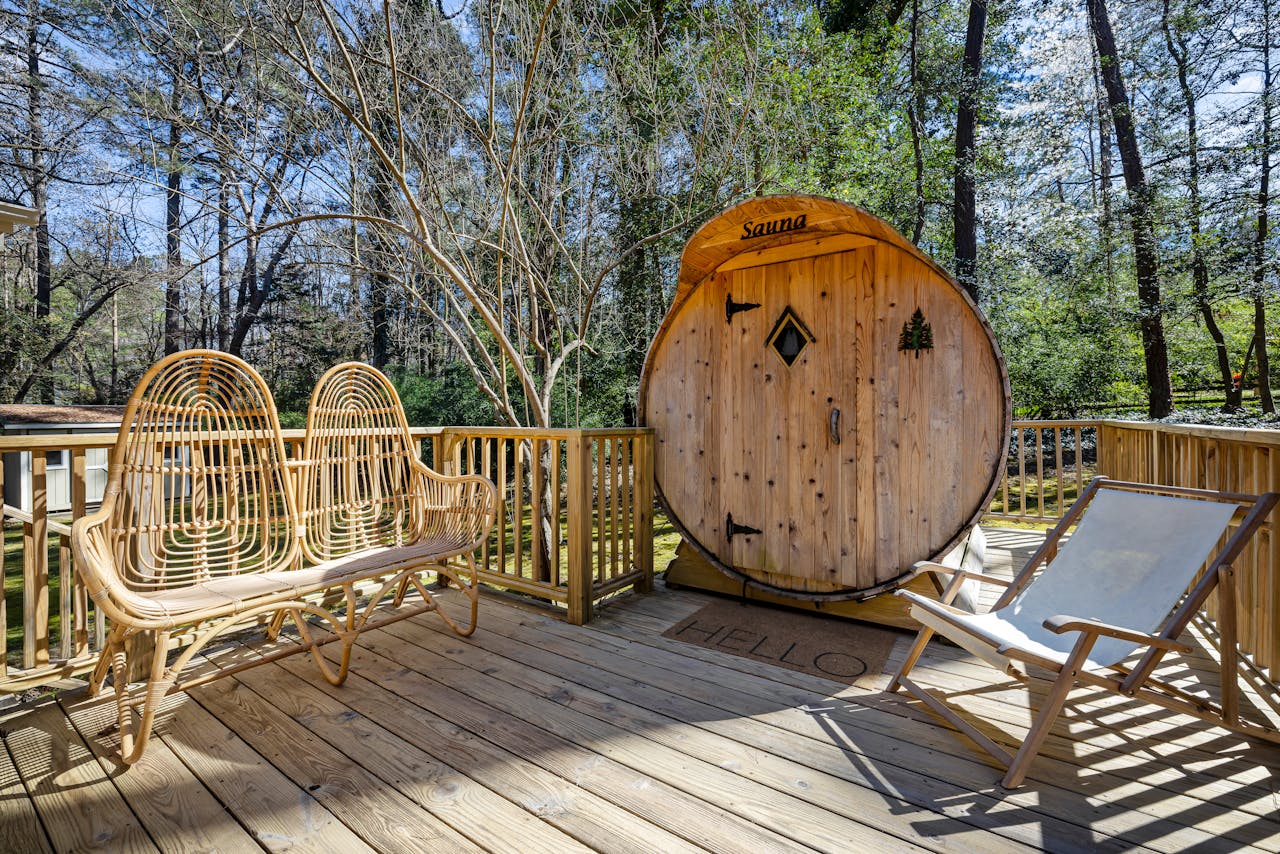
Outdoor Home Saunas: Design Ideas for Backyard & Patio
Outdoor Home Saunas: Design Ideas for Backyard & Patio
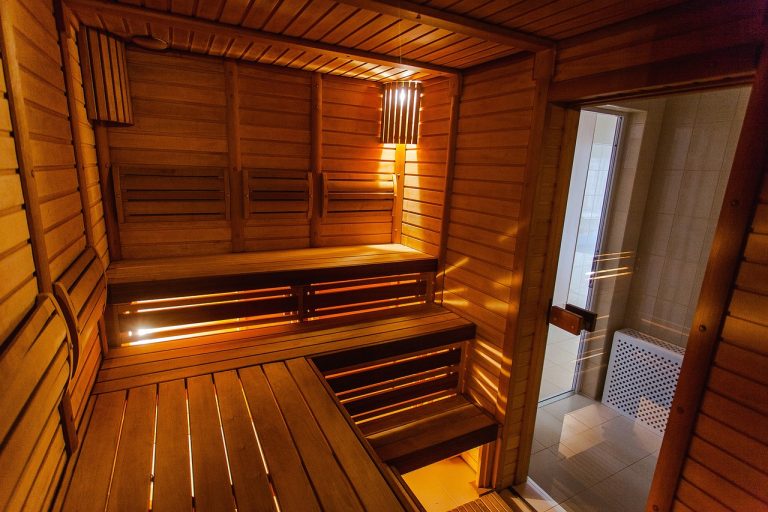
In the design of home saunas, the integration of effective ventilation framing and trim not only enhances structural durability but also greatly impacts the air quality and overall sauna experience. Proper ventilation systems prevent the accumulation of excess moisture which can lead to mold growth and wood rot, thereby preserving both the health of the users and the longevity of the sauna itself. While the choice of materials for trim plays an essential role in withstanding the harsh sauna environment, the placement and size of vents must be strategically planned to maintain the right balance of heat and humidity. Here, we explore the nuances that can make or break the functionality of your home sauna.
Guaranteeing proper ventilation is vital when installing a home sauna, as it greatly influences both the safety and functionality of the space. Effective ventilation guarantees ideal air quality by replacing stale, humid air with fresh air, consequently preventing the buildup of excessive moisture. Maintaining moisture control is essential to avoid mold growth and structural damage, preserving both the health of the users and the integrity of the sauna.
In home sauna installations, particularly those conducted by TN Sauna Installation in Nashville, TN, several ventilation types are typically employed to optimize air quality and moisture control. These include systems with heat recovery capabilities that recycle warm air, and enhanced air circulation setups to guarantee consistent airflow. Each system is carefully selected to match the specific design and size requirements of the sauna.
Ventilation framing is essential in the construction of home saunas, particularly to support the various types of systems discussed previously. Effective airflow design begins with precise measurement and layout planning. Installation techniques include securing frames to ascertain stable airflow channels. Proper execution of these steps guarantees efficient ventilation that enhances the sauna experience, maintaining ideal temperature and humidity levels.
Selecting appropriate trim materials for home sauna ventilation frames is essential for both aesthetic appeal and functional durability. The choice of materials directly impacts trim aesthetics and guarantees material durability under high heat and humidity conditions. Opt for woods like cedar or hemlock, which not only look elegant but also resist warping and moisture damage, maintaining the integrity and appearance of your sauna.

Once the appropriate trim materials are chosen, the next step is the precise installation of sauna trim to guarantee peak performance and aesthetics. Trim installation should be meticulously aligned and secured to enhance both the structural integrity and visual appeal of your sauna. Aesthetic considerations include ensuring seamless joints and a harmonious match with the sauna’s overall design, creating a polished and inviting environment.
To guarantee your home sauna functions at its best, proper ventilation is essential. Ideal airflow dynamics prevent stagnation and distribute heat evenly, enhancing the sauna experience. Effective humidity control is also vital, as it maintains a comfortable environment and prevents structural damage. Ascertain that your ventilation design supports both these elements to maximize the efficiency and enjoyment of your home sauna.
Several common ventilation mistakes can considerably undermine the performance and safety of home saunas. Inadequate vent placement often leads to significant airflow issues, disrupting ideal temperature and moisture balance. Additionally, failing to design for effective humidity control can result in structural damage and uncomfortable sauna experiences. Ensuring precise ventilation planning is essential to avoid these pitfalls and maintain a safe, enjoyable sauna environment.
Reaching out to a qualified sauna builder such as TN Sauna Installation is the crucial next step in guaranteeing your home sauna is built with ideal ventilation. They specialize in techniques that optimize air quality and facilitate effective sauna maintenance. Their expertise guarantees that ventilation framing and trim are expertly handled, preventing common mistakes that could compromise the sauna’s performance and longevity.
Outdoor Home Saunas: Design Ideas for Backyard & Patio

Portable Infrared Sauna: Pros, Cons, and Top Models
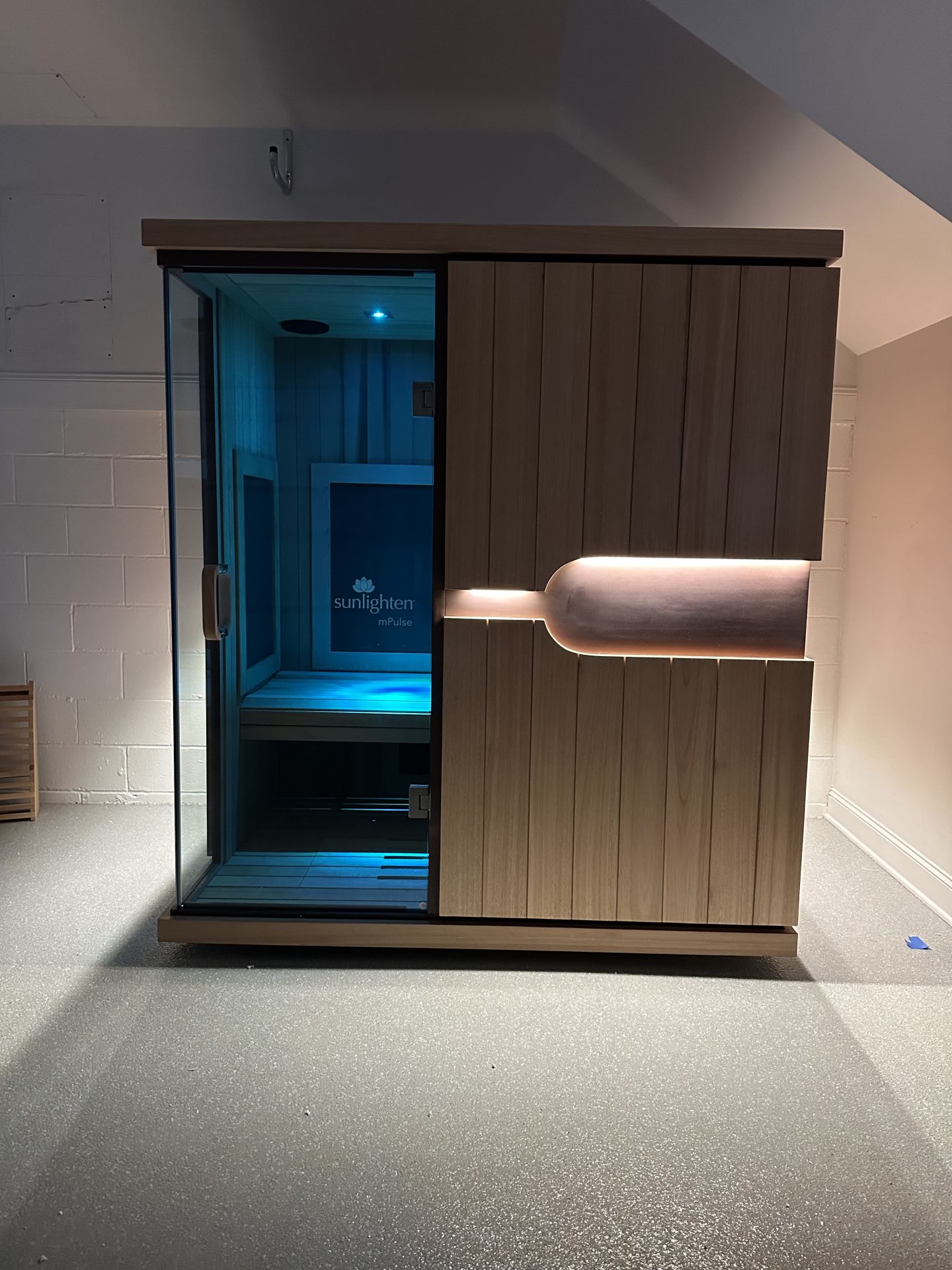
How to Install a Smart (Wi-Fi Enabled) Sauna at Home

Sauna Builders in Nashville: What Sets the Pros Apart
©2026. TN Sauna Installation. All Rights Reserved.