
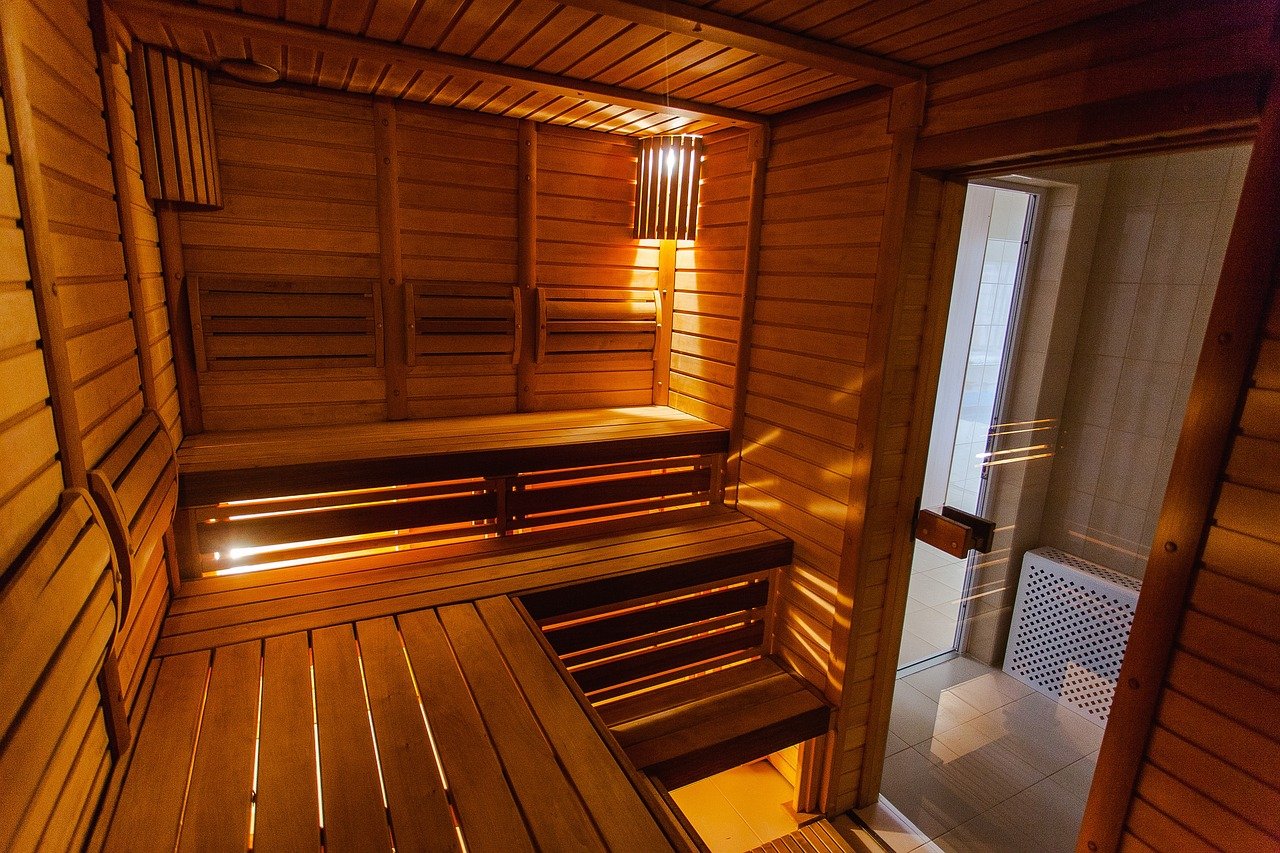
Understanding Ventilation Framing and Trim for Home Saunas
Understanding Ventilation Framing and Trim for Home Saunas
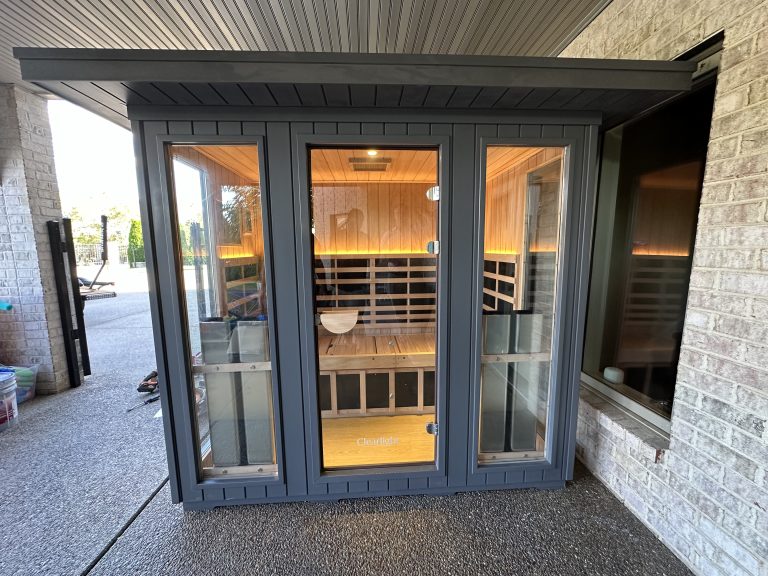
When considering the installation of a sauna, your installer wishes you to be aware of several critical aspects that could greatly influence the success and enjoyment of your investment. It is imperative to discuss the intended location, as it affects not only the aesthetic and privacy but also the practical installation requirements such as electrical access and ventilation. Additionally, understanding the specific type of sauna you desire—whether traditional, infrared, or a steam room—can dictate additional prerequisites. This initial conversation sets the stage for a smooth installation process, but what are the often-overlooked details that could derail your sauna project?
Selecting an ideal location is the first essential step in your sauna installation process. Consider sauna privacy and aesthetic considerations carefully. A secluded spot enhances privacy, allowing for relaxation away from household traffic. Meanwhile, aesthetic considerations guarantee the sauna complements your home’s design. Choose a location that balances these factors to maximize the enjoyment and functionality of your new wellness investment.
Why consider different sauna types? Choosing the right type can enhance your sauna experience considerably.
Wood Burning Saunas: Offer a classic feel with natural heating elements.
Before starting the installation of a sauna, it is essential to adequately prepare your designated space to secure a smooth setup and ideal operation. Measure space dimensions accurately to confirm the sauna fits comfortably with adequate airflow. Choose appropriate flooring options like tile or concrete that can handle moisture and heat effectively. Proper preparation enhances both the safety and longevity of your sauna.
Understanding the electrical requirements for your sauna installation is essential for ensuring safety and functionality. Key considerations include:
After guaranteeing your sauna’s electrical requirements are met, the next step is to address proper ventilation. Effective airflow management and moisture control are essential to maintaining a healthy sauna environment. Proper ventilation helps prevent mold growth and guarantees the air inside remains fresh. Incorporating an adequate venting system will enhance your sauna experience, safeguarding the structure and comfort of users.
The duration of the sauna installation process typically ranges from one to three days, depending on various factors such as the complexity of the design and the preparedness of the installation site.
Expertise: Experienced installers streamline tasks.
Maintaining your sauna effectively secures its longevity and ideal performance. Regular cleaning techniques are essential; use gentle, non-abrasive cleaners to protect wood surfaces and glass elements. Also, inspect and clean sauna accessories routinely to make certain they remain functional and safe. Proper maintenance not only preserves your sauna’s condition but also enhances your experience, keeping the environment hygienic and inviting for every use.
Guaranteeing your sauna functions efficiently involves more than just regular maintenance; contacting your installer can provide additional support and guidance.
Contacting TN Sauna Installation guarantees you will continue enjoying your investment with peace of mind.
Understanding Ventilation Framing and Trim for Home Saunas

How to Blend Function and Style With Sauna Trim Details

Custom vs. Prefab Sauna: Why Craftsmanship Makes the Difference

Preparing Your Electrical System for Spring Sauna Installation
Using essential oils in your sauna can enhance the experience, but it's vital to choose the right types and consider sauna safety. Consult your installer on oil-compatible materials and proper usage guidelines.
Regarding pets in saunas, pet safety and sauna hygiene are paramount. Generally, it's advised against allowing pets inside due to potential health risks and the maintenance of a clean, hygienic environment.
Sauna maintenance tips include regular wood treatment to prevent decay and enhance longevity. Typically, wood should be treated annually, but replacement depends on usage and environmental factors, ensuring ideal sauna performance and safety.
Installing electronics such as a TV or sound system in a sauna requires careful consideration of moisture and heat. Make certain sauna electronics are specifically designed to withstand high temperatures and humidity for safety.
Daily sauna use offers wellness benefits, like a phoenix rejuvenating in the heat. However, there are risks, such as dehydration, necessitating careful hydration and monitoring of time spent in these therapeutic chambers.
©2026. TN Sauna Installation. All Rights Reserved.